
DIY Painting Tips: Common Mistakes to Avoid for a Professional Finish


Painting a room yourself can be an incredibly rewarding experience, offering a fresh look to your living space. However, achieving a professional finish requires attention to detail and avoiding common pitfalls. Here are some essential tips to ensure your DIY painting project is a success.
Preparation is Key
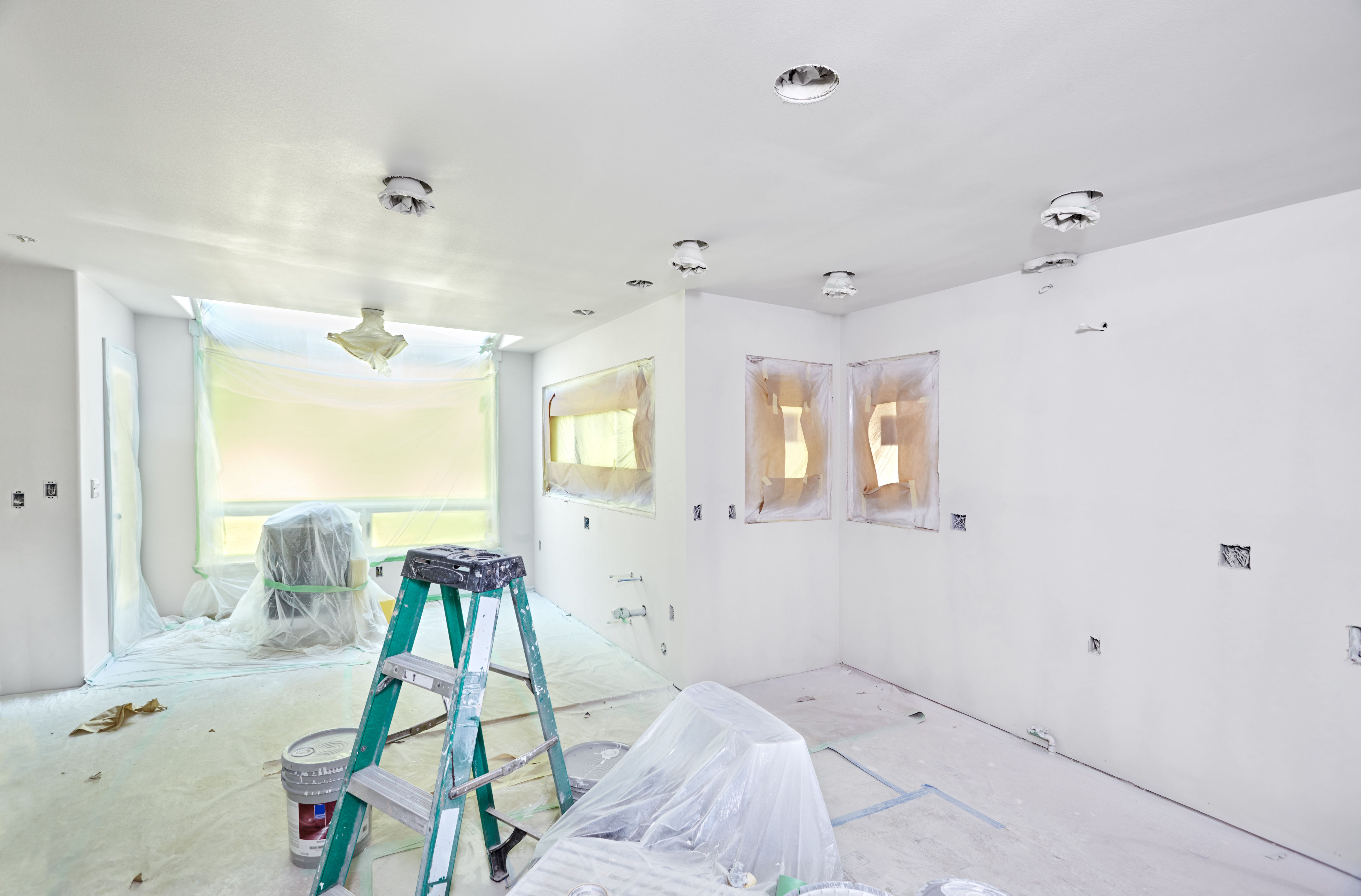
One of the most critical steps in painting is proper preparation. Skipping or rushing this stage can lead to a less-than-perfect result. Start by cleaning your walls to remove dirt and grease, which can prevent paint from adhering properly.
Next, ensure you fill any holes or cracks with a suitable filler and sand them down for a smooth surface. Don’t forget to remove or cover hardware, such as light switch covers and doorknobs, to avoid unwanted paint splatters.
Choosing the Right Tools
Investing in quality brushes and rollers can make a significant difference in your painting results. Cheap tools can leave streaks or lint in the paint, so it’s worth spending a little extra for better quality. For large surfaces, use a roller with an appropriate nap length for your wall texture.
Selecting the Right Paint
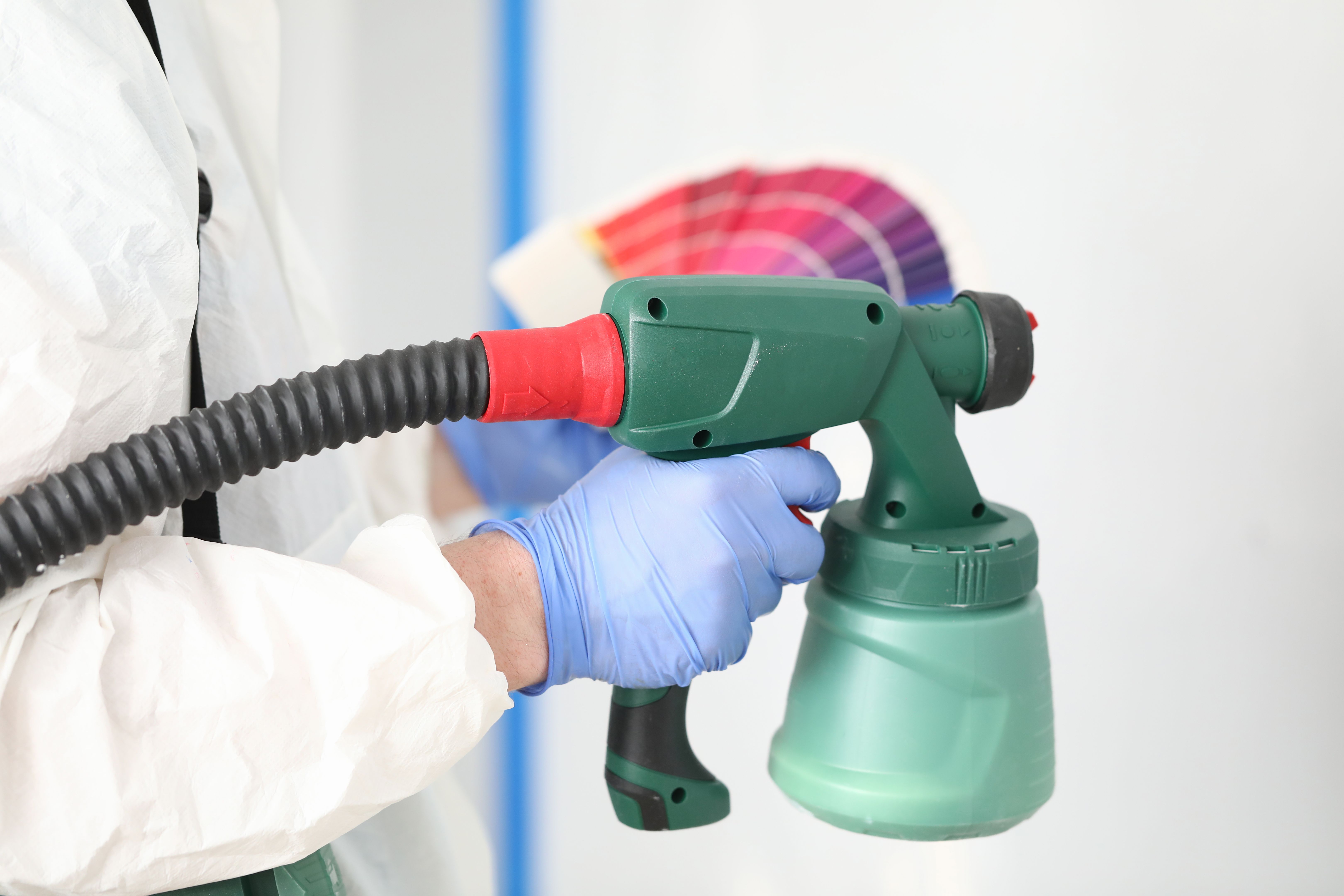
The type of paint you choose is just as important as the tools. Consider the room’s purpose and lighting when selecting between matte, satin, or glossy finishes. Don’t forget to use painter's tape to achieve clean lines and protect surfaces adjacent to the area you’re painting.
Applying Paint Correctly
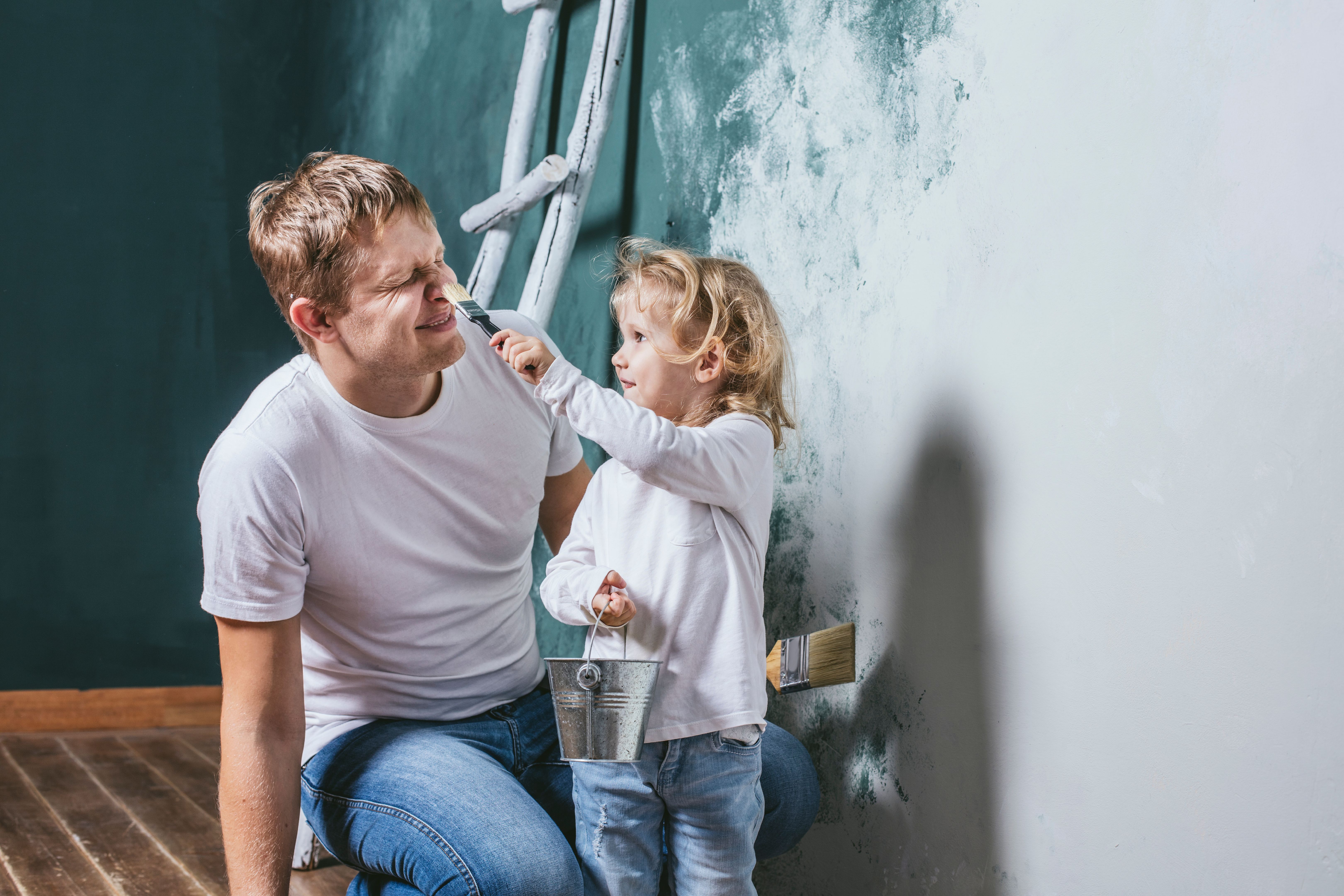
Begin by cutting in around the edges with a brush, then use a roller for the larger areas. Apply paint in a "W" or "M" motion to ensure even coverage. Be careful not to overload your brush or roller, as this can lead to drips and uneven texture.
Allow each coat to dry completely before applying the next. Rushing this process can cause streaks and an uneven finish. Patience is vital for a professional look.
Avoiding Common Mistakes
Some frequent mistakes include painting in inadequate lighting, which can result in missed spots or uneven coverage. Always ensure you have ample light to see your work clearly. Also, avoid painting in high humidity, as it can affect drying time and paint adherence.
Finishing Touches
Once you’ve finished painting, remove any painter’s tape before the paint dries completely to avoid peeling. Check for any touch-ups needed and address them promptly.
By following these tips and avoiding common mistakes, you can achieve a professional-looking finish in your DIY painting project, transforming your space beautifully.