
Case Study: Transforming a Historic Home in Cincinnati


Introduction to the Project
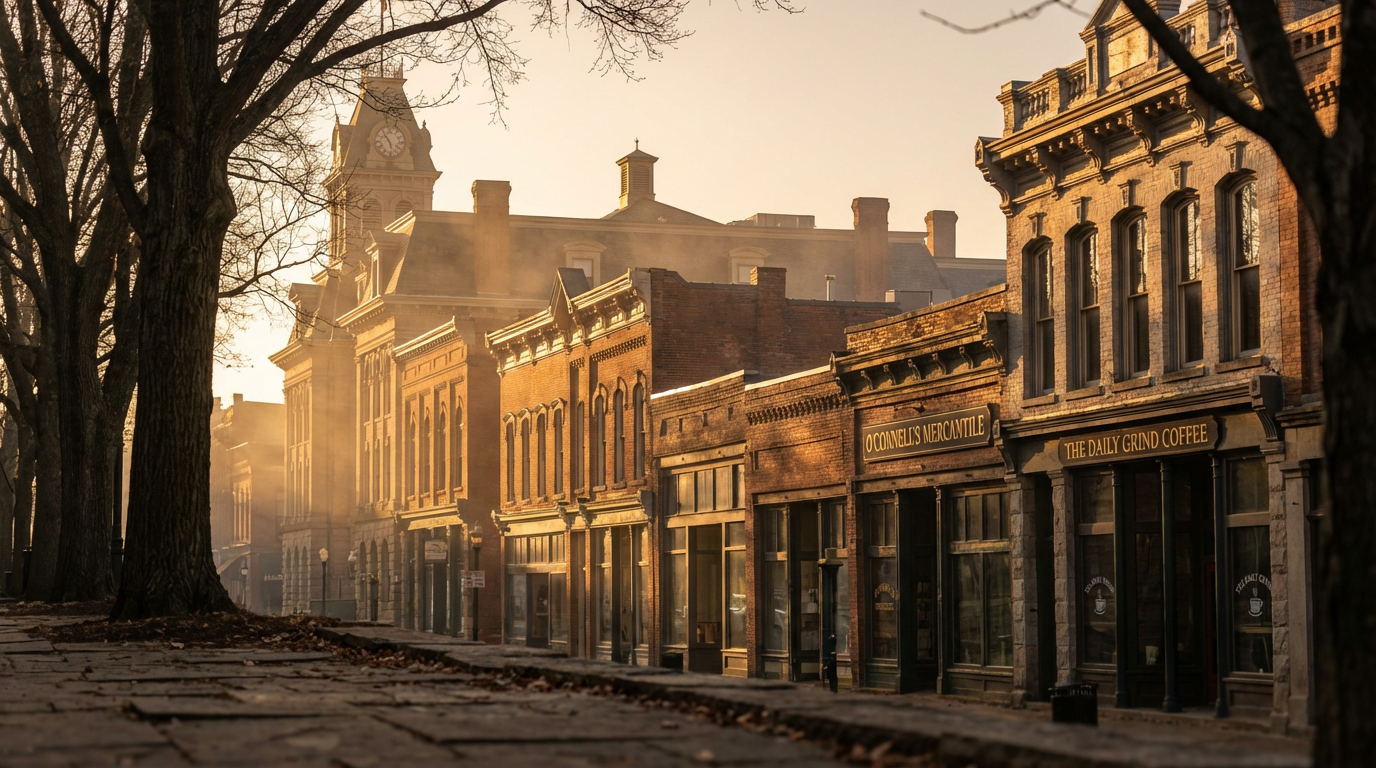
In the heart of Cincinnati, a historic home stood as a testament to the city's rich past. However, time had taken its toll, and the home required a thoughtful transformation. This case study explores the journey of bringing this magnificent structure back to life while preserving its historic charm.
The project was undertaken by a team of dedicated architects and craftsmen who aimed to restore the home to its former glory while incorporating modern amenities. The goal was to maintain the architectural integrity of the building, ensuring that its history was honored even as it evolved to meet contemporary living standards.
Assessing the Challenges
One of the primary challenges faced by the team was the deterioration of the building's foundation. Years of neglect had led to structural issues that needed immediate attention. Additionally, updating the home's layout to suit modern needs while preserving its original features proved to be a delicate balancing act.
The team conducted a thorough assessment of the property, focusing on areas that required urgent repair. This included evaluating the roof, walls, and floors to ensure the safety and stability of the structure. A comprehensive plan was devised to address these issues without compromising the home's historical elements.
Structural Reinforcements
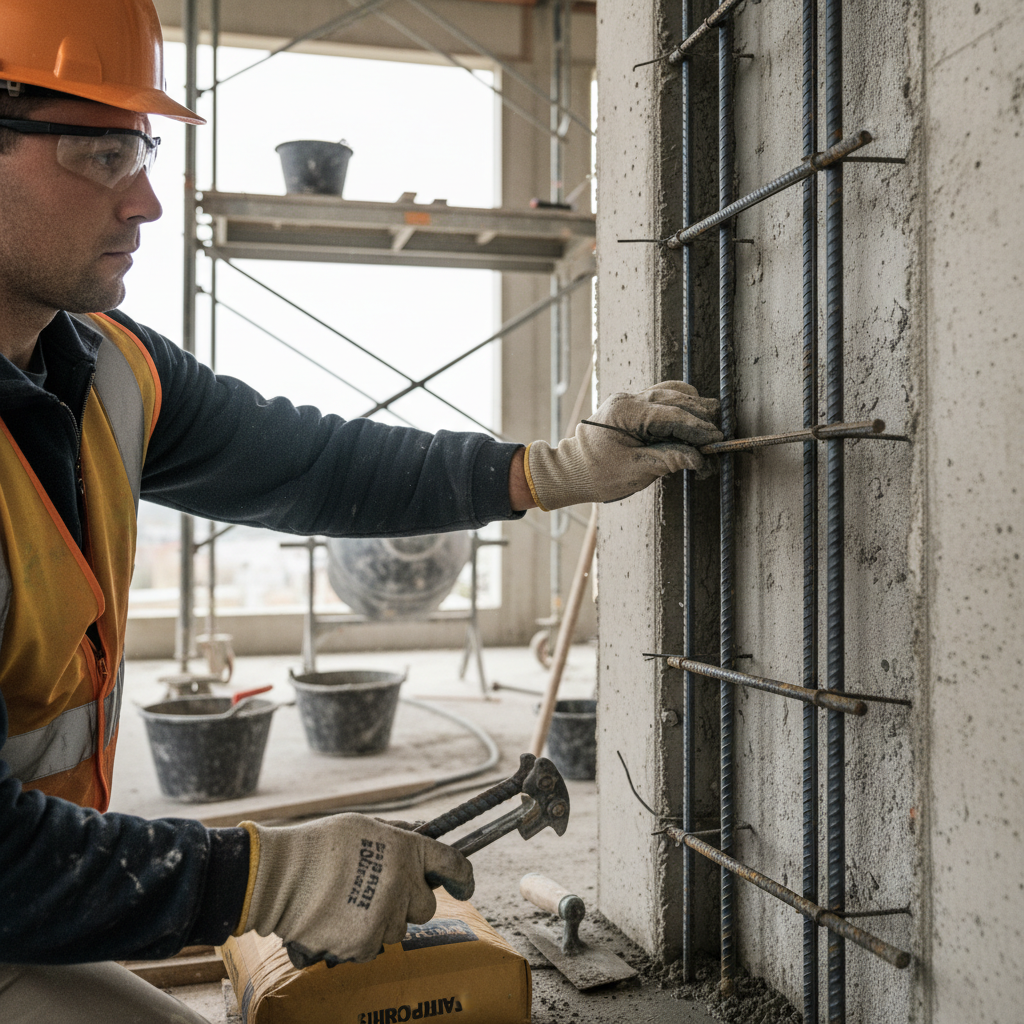
To address the foundational problems, engineers implemented state-of-the-art reinforcement techniques. These included underpinning the foundation and using advanced materials to fortify the structure. This approach ensured the home remained secure for future generations while maintaining its historic appeal.
Preserving Historical Elements
A key aspect of the renovation was preserving the home's unique historical features. The team focused on restoring original woodwork, stained glass windows, and vintage fixtures that added to the property's charm. Every effort was made to use period-appropriate materials to maintain authenticity.
Special attention was given to the façade, where the original brickwork was meticulously cleaned and repaired. This not only enhanced the aesthetic appeal but also protected the building from environmental damage, ensuring its longevity.
Modern Enhancements
While preserving historical elements was paramount, modern enhancements were necessary for comfort and functionality. The renovation included the installation of energy-efficient systems, such as HVAC and updated plumbing and electrical work, seamlessly integrated into the existing structure.
The Final Transformation
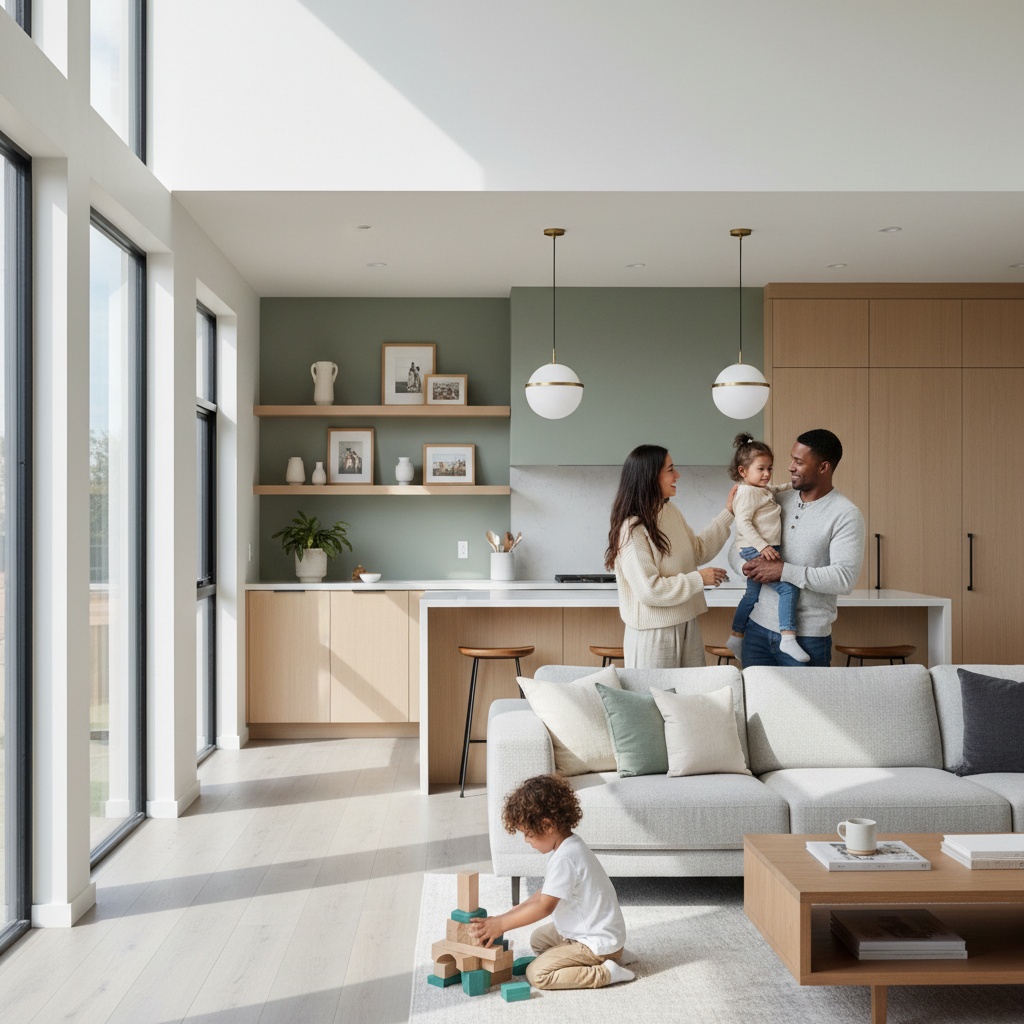
The transformation of the historic home was nothing short of remarkable. The project successfully balanced the old with the new, offering a living space that respected its past while embracing the future. The home now serves as a perfect example of how historic preservation and modern living can coexist harmoniously.
This project not only revitalized a significant piece of Cincinnati's history but also set a precedent for future renovations of historic properties. It demonstrates the importance of preserving our architectural heritage while adapting to the needs of contemporary society.
Conclusion
In conclusion, the restoration of this historic home in Cincinnati is a testament to the dedication and expertise of the team involved. It highlights the potential for historic homes to be transformed into functional and beautiful living spaces without losing their historical significance. This case study serves as an inspiration for similar projects, showcasing the art of blending tradition with innovation.