
A Local’s Guide to Remodeling Historic Homes in Cincinnati


Understanding the Charm of Historic Homes
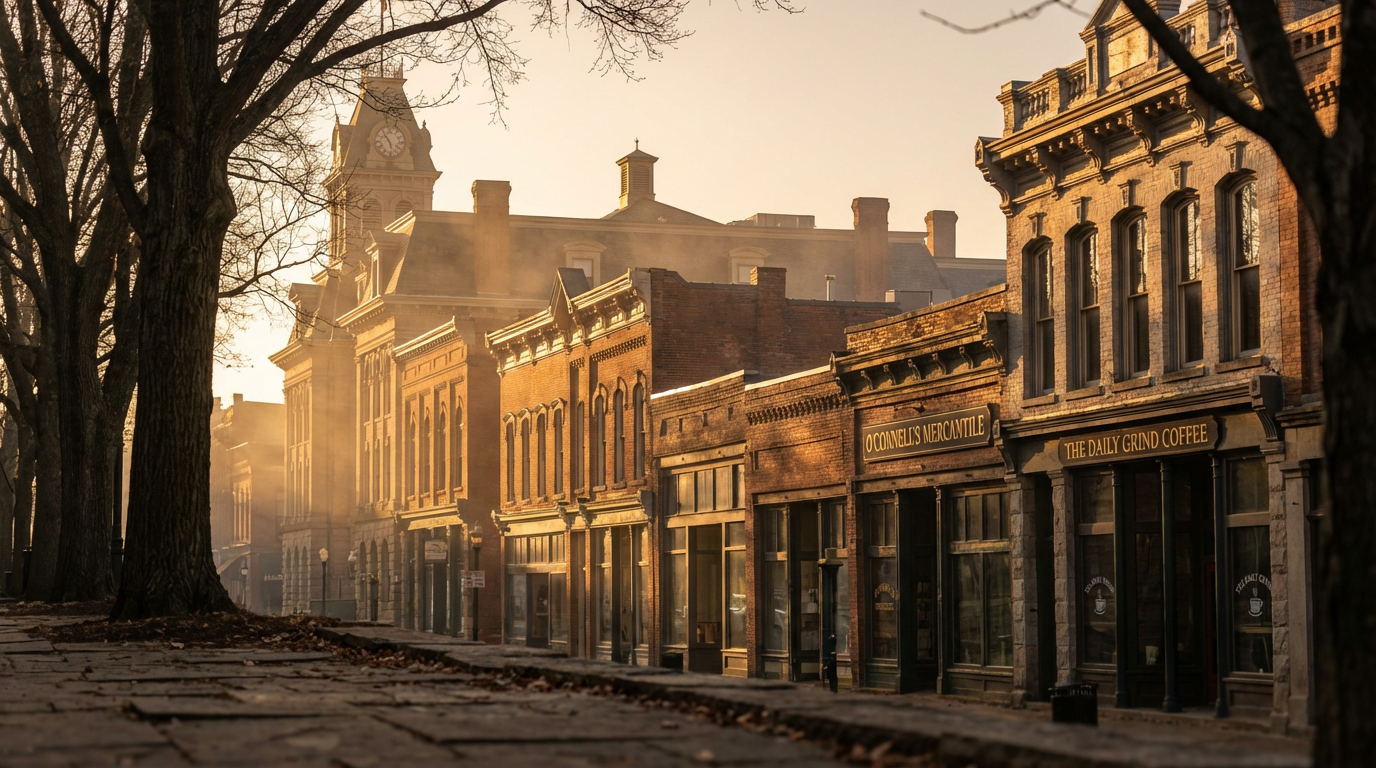
Historic homes in Cincinnati are not just residences; they are living pieces of history that tell the story of the city’s past. The charm of these homes lies in their unique architectural details, such as intricate woodwork, stained glass, and original fixtures. If you're fortunate enough to own one, remodeling can be both an exciting and daunting process. The key is to preserve their character while updating them for modern living.
Research and Planning
Before diving into any remodeling project, it's crucial to conduct thorough research. Understanding the historical significance of your home will guide your renovation plans. Check local archives and historical societies for information about the architecture and original builders. Additionally, consult with an architect experienced in historic renovations to create a comprehensive plan that respects the home’s original design.
Working with Local Regulations
Remodeling a historic home often involves navigating a web of local regulations. Cincinnati has specific guidelines to ensure that renovations preserve the historical integrity of these structures. It's essential to contact the local historic preservation office to understand what permits and approvals are needed. Ignoring these regulations can lead to fines or forced changes, so it's best to be informed from the start.

Choosing the Right Materials
One of the biggest challenges in remodeling historic homes is choosing materials that match the original construction. When possible, use reclaimed materials or those that mimic the original ones. For example, if your home features original hardwood flooring, consider sourcing reclaimed wood for repairs. This not only maintains the aesthetic but also supports sustainability.
Preserving Key Features
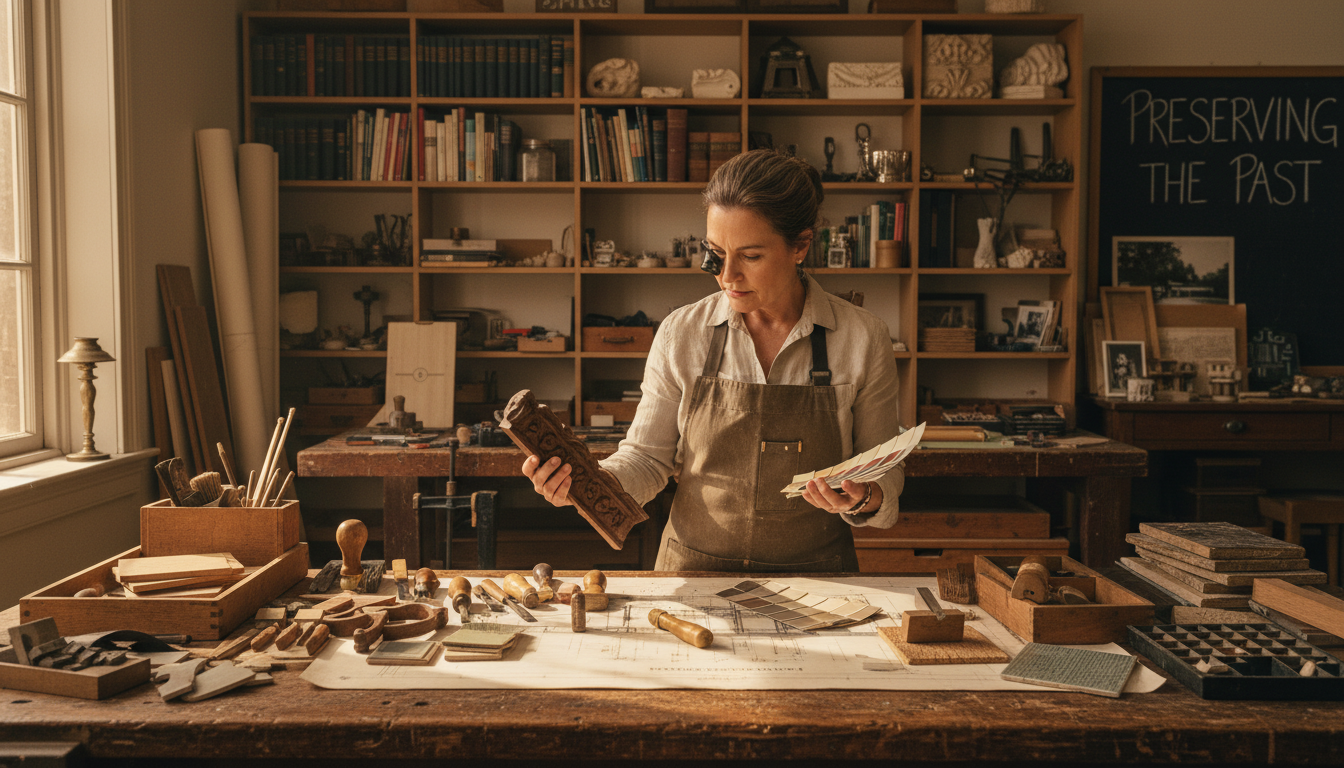
While updating your home, it's essential to preserve its key features. Elements like crown moldings, decorative fireplaces, and vintage tiles add to the historical value. If these features are in disrepair, work with craftsmen who specialize in restoration. This ensures that the home's unique details are maintained for future generations to enjoy.
Incorporating Modern Amenities
While preserving the historical charm is important, incorporating modern amenities is often necessary for comfort and convenience. Consider updating plumbing and electrical systems to meet current standards. Installing energy-efficient windows that resemble the original style can help improve insulation without sacrificing aesthetics.
Balancing Old and New
Successfully remodeling a historic home requires a delicate balance between old and new. Embrace the character of your home, but don't be afraid to introduce contemporary elements that enhance functionality. For example, a modern kitchen can coexist with a vintage dining room by using complementary colors and materials.

Embracing the Community
Finally, engage with the local community throughout your remodeling journey. Joining local preservation groups can provide support and resources. Sharing your progress with neighbors and community members can inspire others to take on similar projects, fostering a shared appreciation for Cincinnati's rich architectural heritage.